
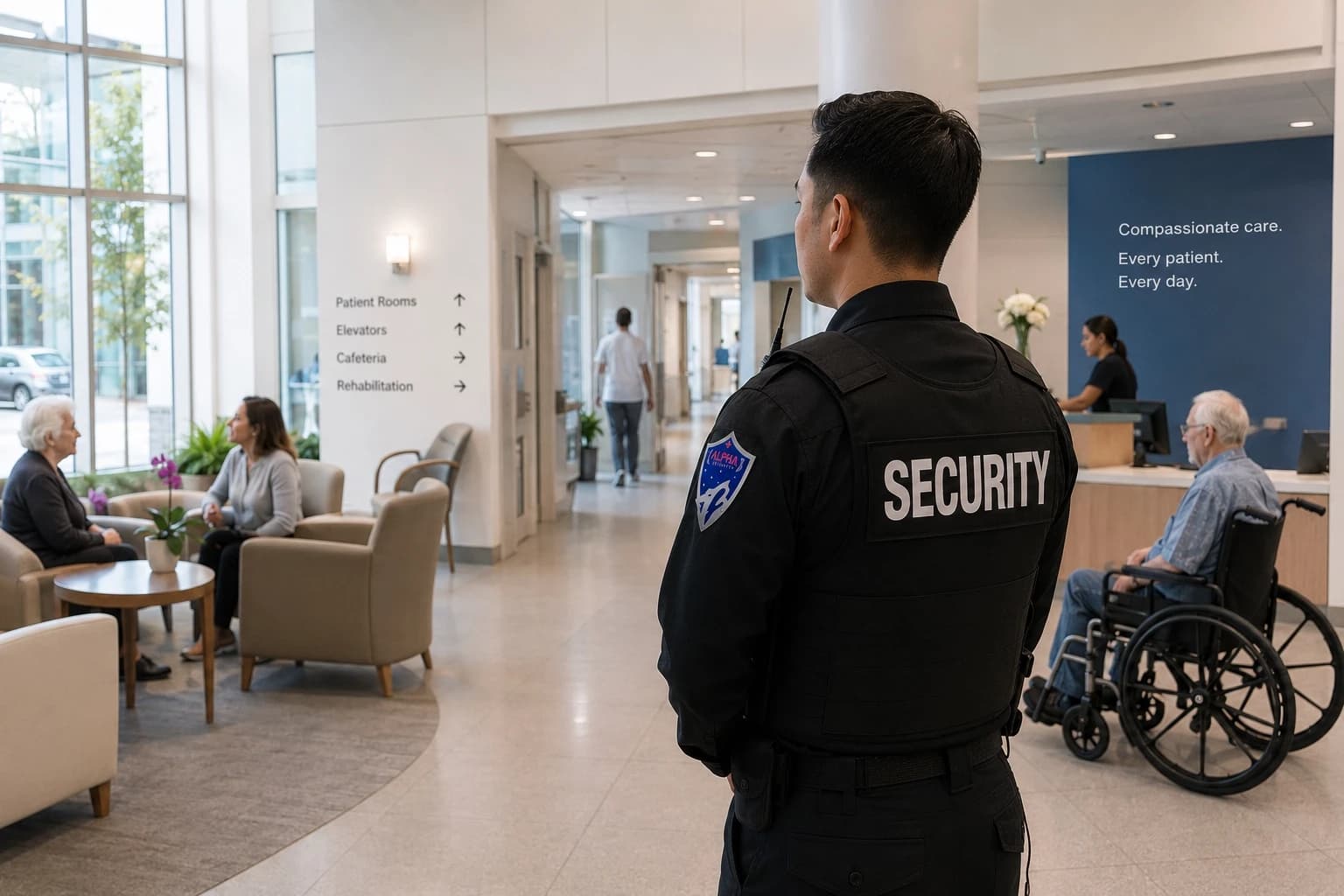
Safety is an important concern for businesses, property owners, employees, and communities. Hiring professional security personnel can help reduce risks, prevent unauthorized activities, and create a safer environment. Licensed Security Guards Ontario play an important role in protecting commercial buildings, construction sites, shopping centres, residential properties, and public events. They receive the required training and must meet provincial licensing standards before working in the security industry. Understanding their responsibilities and qualifications can help businesses choose suitable security professionals for their protection needs.
Why Licensed Security Guards Ontario Are Important for Modern Businesses
Businesses face different security challenges depending on their size, location, and daily activities. Some properties need entrance monitoring, while others require regular patrols, visitor management, and overnight protection.
Professional security guards help businesses manage these concerns by observing their surroundings, reporting suspicious activities, and following established safety procedures.
Professional security guards, commercial security services, and workplace safety solutions help organizations maintain a more secure environment. Their presence can discourage unwanted behaviour and provide employees and visitors with greater confidence.
Licensed personnel are also expected to understand their legal responsibilities. This is important because security guards must perform their duties within the limits of applicable laws and regulations.
What Does It Mean to Be a Licensed Security Guard?
A licensed security guard is an individual who has met the applicable provincial requirements to work in the private security industry.
In Ontario, individuals performing regulated security guard duties must hold a valid security guard licence. The licensing process generally requires applicants to complete approved basic training, pass the provincial examination, and meet the eligibility requirements.
The licence demonstrates that the individual has completed the required steps to enter the profession. However, businesses should also consider practical experience, communication skills, and professional conduct when hiring security personnel.
Ontario security guard licensing helps establish standards for people working in the industry and supports public confidence in professional security services.
Main Responsibilities of Professional Security Guards
Security guards perform different duties depending on the workplace and the needs of their employer or client.
1. Monitoring Property and Premises
One of the main responsibilities of security personnel is observing the property they are assigned to protect. They may monitor entrances, inspect shared areas, and watch for suspicious activities.
Property security monitoring helps identify possible risks before they develop into serious problems. Guards can also report damaged equipment, unsecured doors, and unusual situations to management.
2. Controlling Access to Buildings
Commercial offices, warehouses, healthcare facilities, and residential buildings often need controlled access.
Security guards may check visitor identification, maintain entry records, and confirm whether individuals have permission to enter restricted areas.
Access control security helps businesses manage visitors and maintain better awareness of who enters and leaves their properties.
3. Conducting Regular Security Patrols
Regular patrols help security personnel inspect different areas of a property. These checks may include parking spaces, storage rooms, building entrances, and outdoor areas.
Security patrol services are particularly useful for large commercial properties, industrial facilities, and construction sites.
4. Responding to Security Incidents
Unexpected situations may include disturbances, unauthorized entry, property damage, or suspicious behaviour.
Security guards should follow established procedures, communicate with supervisors, and contact emergency services when necessary. Their response should remain within their training and legal authority.
5. Preparing Incident Reports
Accurate reporting is an important part of professional security work. Guards may need to record the time, location, details, and actions taken during an incident.
Security incident reporting helps businesses understand what happened and determine whether additional safety measures are needed.
Different Places That Need Licensed Security Personnel
Security requirements vary from one property to another. Different industries may need guards with relevant experience and suitable training.
Commercial Buildings
Offices and business centres contain valuable equipment, computers, documents, and other assets. Security guards can monitor entrances, manage visitors, and conduct regular patrols.
Commercial building security helps maintain a controlled environment for employees, customers, and business visitors.
Construction Sites
Construction sites often contain expensive machinery, tools, vehicles, and building materials. These properties may face theft and unauthorized access, particularly after working hours.
Security guards can monitor access points, inspect the site, and report suspicious activities.
Retail Stores and Shopping Centres
Retail businesses need security personnel to monitor customer areas, discourage shoplifting, and help maintain order.
Retail security guards can support store employees and provide assistance when customer disputes or unusual situations occur.
Residential Communities
Apartment buildings and gated communities may require guards to monitor entrances, manage visitor access, and inspect common areas.
Residential security services help property managers maintain an organized and comfortable living environment.
Healthcare Facilities
Hospitals, clinics, and other healthcare facilities may need security personnel to monitor entrances, support visitor management, and help maintain order in public areas.
Security guards should understand the importance of respectful communication and patient privacy while carrying out their responsibilities.
Events and Public Gatherings
Concerts, corporate functions, private celebrations, and community events can attract large crowds.
Event security personnel can monitor entrances, guide visitors, manage crowd movement, and report safety concerns to event organizers.
Important Qualities Every Security Guard Should Have
A professional security guard needs more than a licence. Personal qualities and practical skills also influence how effectively someone performs the job.
Strong Communication Skills
Security guards regularly communicate with visitors, employees, supervisors, and members of the public. Clear communication helps prevent misunderstandings and supports better coordination.
Attention to Detail
Good observation helps guards identify unusual activities, damaged property, and possible safety concerns. Paying attention to small details can help prevent larger problems.
Professional Behaviour
Security personnel should remain respectful, calm, and responsible while performing their duties. Professional conduct helps build trust with employees, customers, and visitors.
Problem-Solving Skills
Unexpected situations may require guards to assess information and follow suitable procedures. They should know when to manage a situation within their authority and when to request assistance.
Physical and Mental Readiness
Security work may involve standing for long periods, walking during patrols, and maintaining attention throughout a shift. Guards should be prepared for the physical and mental requirements of their assignments.
How Businesses Can Hire the Right Security Guards
Choosing suitable security personnel requires careful consideration. Businesses should evaluate qualifications, experience, and the specific requirements of their properties.
Verify the Security Guard Licence
Always confirm that the individual holds a valid Ontario security guard licence. Businesses can use the official Ontario public registry to check licence information.
Review Training and Experience
Ask about the guard's basic training, previous assignments, and experience in similar working environments. Someone familiar with commercial security may be more suitable for an office building than someone without relevant experience.
Understand Job Responsibilities
Before assigning a guard, explain the required duties. These may include access monitoring, patrol schedules, visitor management, and incident reporting.
Check Professional Communication
Security personnel should be able to communicate clearly and treat people respectfully. Good communication is especially important in customer-facing environments.
Discuss Supervision and Reporting
Businesses should understand who supervises the guards, how incidents are reported, and how performance concerns are handled.
A clear agreement helps both the business and the security provider understand their responsibilities.
Benefits of Hiring Professional Security Guards
Hiring qualified security personnel can provide several benefits for businesses and property owners.
Better theft prevention: Visible guards can discourage shoplifting, unauthorized entry, and unwanted activities.
Improved workplace safety: Security personnel help monitor the environment and report potential hazards.
Visitor management: Guards can help maintain entry records and guide visitors to the correct areas.
Emergency assistance: Security personnel can follow established emergency procedures and contact the appropriate services.
Peace of mind: Employees, customers, and property owners may feel more confident when suitable security arrangements are in place.
Common Mistakes to Avoid When Hiring Security Personnel
Businesses should avoid hiring guards without checking their licensing status. Employing unqualified personnel can create legal and operational problems.
Another mistake is choosing a security provider based only on price. Service quality, experience, supervision, and staff training are also important.
Businesses should also provide clear instructions before security personnel begin their assignments. Guards need to understand restricted areas, emergency contacts, reporting procedures, and property-specific rules.
Finally, security arrangements should be reviewed regularly. Changes in business operations, property layouts, and working hours may create new security requirements.
Frequently Asked Questions
1. Do security guards need a licence in Ontario?
Yes. Individuals working as security guards in Ontario must hold a valid provincial security guard licence and meet the applicable requirements.
2. How can I check whether a security guard is licensed?
You can use the Ontario government's public registry to verify the licensing status of a security guard.
3. What duties can licensed security guards perform?
Their duties may include monitoring property, controlling access, conducting patrols, managing visitors, observing suspicious activities, and preparing incident reports.
4. Can licensed security guards work in commercial buildings?
Yes. Licensed guards can work in offices, shopping centres, warehouses, industrial facilities, residential properties, and other locations, depending on their assignments.
5. Why should businesses hire licensed security guards?
Hiring licensed professionals helps businesses meet applicable legal requirements and provides access to personnel who have completed the required licensing process.
Conclusion
Professional security personnel play an important role in protecting businesses, properties, employees, and communities. Proper licensing, suitable training, practical experience, and responsible behaviour help security guards perform their duties effectively. Businesses should verify qualifications, review experience, and establish clear responsibilities before hiring security personnel. A well-planned security arrangement can reduce risks and support a safer working environment. For businesses seeking professional protection and security solutions throughout Ontario, Security Services Near Me can be considered when exploring suitable security support.